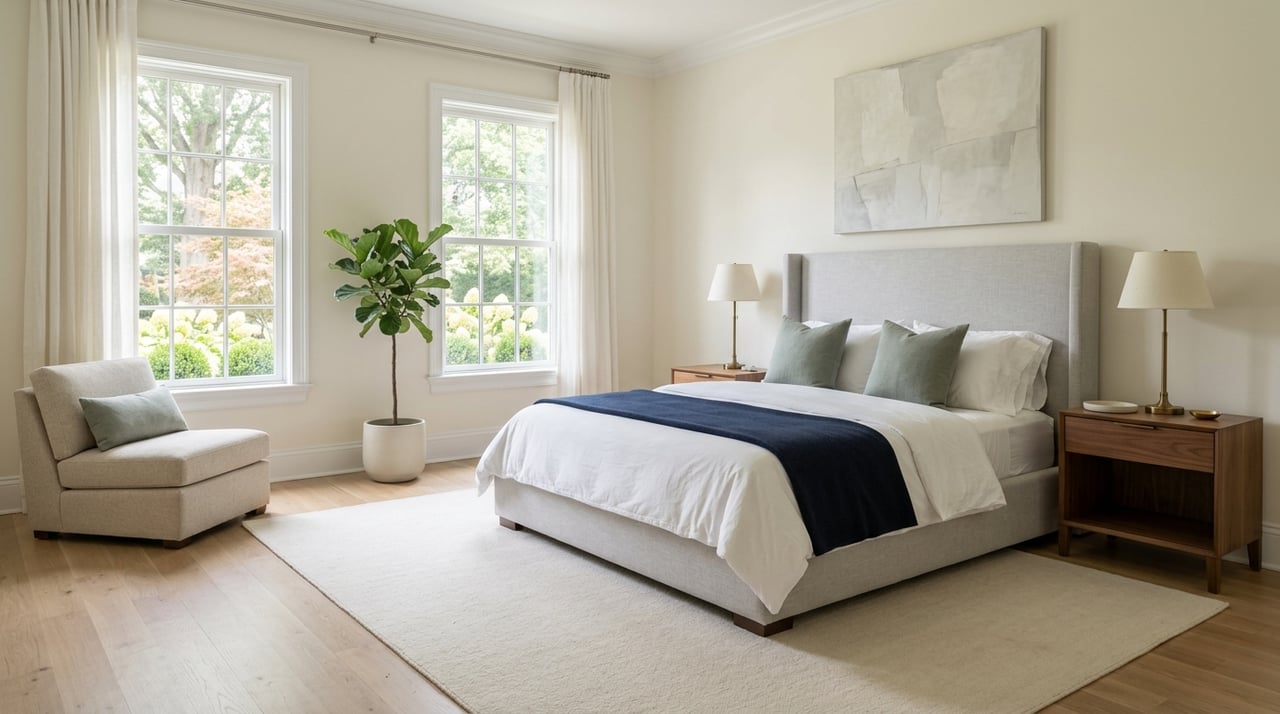
If you are getting ready to list your Manhasset home, it is easy to assume the market will do all the work for you. Manhasset is a premium, fast-moving market, but buyers at this price point still notice condition, flow, and first impressions right away. A thoughtful pre-listing plan can help your home feel more polished online and in person, which matters when homes can go pending in just a few weeks. Let’s dive in.
Why presentation matters in Manhasset
Manhasset remains a strong seller-leaning market, but that does not mean every home should come to market the same way. Recent public market data shows a median sale price near $1.97 million over the three months ending May 2026, an average home value above $2.27 million, and homes going pending in roughly 13 to 21 days depending on the source.
Those numbers point to a market where demand is active and expectations are high. Buyers are often comparing homes quickly, both online and in person, so the quality of your launch still matters. In a market where sale-to-list ratios have been strong, smart staging and presentation can help support a cleaner, more confident debut.
Start with editing, not decorating
Before you buy new accessories or think about furniture rentals, focus on what you can remove. The 2025 National Association of Realtors staging report found that decluttering, whole-home cleaning, curb appeal work, landscaping, professional photos, and minor repairs were among the most common seller recommendations.
That lines up with what works in practice. When your home feels lighter, cleaner, and less personal, buyers can focus on the space itself instead of your belongings. In many cases, the best first investment is storage, organization, and a serious edit of what stays in each room.
Pack away personal items
Family photos, collections, oversized decor, and very specific design choices can make it harder for buyers to picture the home as their own. You do not need to strip the house of personality, but you do want a calmer backdrop.
A good rule is to keep what helps a room feel warm and functional, then remove what distracts from scale, light, or layout. This also gives you a head start on packing, which can make the moving process feel less overwhelming later.
Keep closets and storage areas tidy
Storage matters to many buyers, and crowded closets can make a home feel smaller than it is. The NAR consumer guidance recommends keeping closets about half full so they read as usable and spacious.
The same idea applies to mudrooms, pantries, garages, and linen closets. If buyers open a door, you want the space to feel orderly and easy to maintain.
Choose updates with discipline
Not every pre-sale project is worth doing. The 2025 Remodeling Impact Report suggests that visible cosmetic updates often make more sense than major renovations when you are preparing to sell.
In Manhasset, where buyers may be comparing polished homes at high price points, selective improvements can help your property show better without the time, cost, and disruption of a full remodel. The goal is not to overbuild for the sale. It is to remove distractions and sharpen the home’s overall presentation.
Focus on paint and minor repairs
Fresh paint is one of the simplest ways to improve how a home feels. Neutral tones such as beige, gray, or soft white can brighten rooms and create a cleaner visual flow from one space to the next.
Touch-up work also matters. Scuffed trim, chipped walls, loose hardware, worn caulk, and small deferred repairs can stand out more in photos and showings than sellers expect. Taking care of these details before listing can make the home feel better maintained.
Refresh the entry first
If you are deciding where to spend, the front entry is a smart place to start. NAR’s remodeling data gives especially strong marks to a new steel front door, while exterior paint and front door improvements also rate well for homeowner satisfaction and visible impact.
You may not need a full replacement. Sometimes a freshly painted door, updated hardware, clean trim, and a simple mat can make the entrance feel more inviting and current.
Treat curb appeal as part of staging
Curb appeal is not separate from staging. It is the first chapter of the showing experience, and in many cases it shapes the tone before a buyer even reaches the front step.
NAR reports that 92% of Realtors have suggested curb appeal improvements before listing, and 97% believe curb appeal is important in attracting a buyer. In the 2025 staging report, 77% of sellers’ agents recommended improving curb appeal and 76% recommended landscaping.
What buyers notice outside
In a Manhasset listing, buyers are likely to notice the front door, walkway, driveway, trim, planting beds, and overall maintenance level right away. They will also notice these details in listing photos, which often serve as the first showing.
Focus on the basics first:
- Clean up beds and remove weeds
- Trim shrubs and trees away from paths and windows
- Edge the lawn and refresh mulch if needed
- Power wash walkways and driveway areas if appropriate
- Replace tired doormats or planters
- Make sure exterior lighting is working
These are not flashy changes, but they help create a cared-for first impression.
Stage the rooms that matter most
If your budget is limited, you do not need to stage every corner of the house equally. NAR found that the rooms most often staged are the living room, primary bedroom, dining room, and kitchen.
That order is useful because it reflects how buyers tend to experience a home. They respond first to the spaces that set the emotional tone, support everyday living, and appear most prominently in marketing photos.
Prioritize these spaces first
If you want a simple staging order, start here:
- Living room
- Primary bedroom
- Kitchen
- Dining room
- Secondary bedrooms and flex spaces
The living room often anchors the story of the home. The primary bedroom should feel restful and spacious. The kitchen should look clean, bright, and lightly styled, not crowded with countertop items.
Use scale and layout to your advantage
Bulky furniture can make even a generous room feel smaller. In some homes, removing one or two pieces has a bigger impact than buying anything new.
Aim for clear walking paths, open sight lines, and balanced furniture placement. In dining rooms and bedrooms especially, the right scale helps buyers understand how the room functions.
Photography is part of the staging plan
Even in a market with strong demand, many buyers start with photos. NAR reports that listing photos are a major factor in how buyers evaluate a property online, and another NAR consumer article says 81% of buyers consider listing photos the most important factor when looking at homes online.
That means staging is not just for open houses or private showings. It should be done with photography in mind from the start. Rooms need to read clearly in a frame, not just in person.
Prepare for professional photos
Before photography day, make sure:
- Counters are mostly clear
- Cords and small appliances are tucked away
- Towels and bedding feel fresh and simple
- Window treatments allow in natural light
- Pet items are removed from view
- Trash bins and cleaning supplies are out of sight
Professional photos are one of the most common seller recommendations, and with good reason. In a competitive online environment, strong images help your home stand out quickly.
When virtual staging may help
If a room is empty or visually dated, virtual staging can help buyers understand its scale and purpose. It can be especially useful for secondary spaces that feel harder to read in photos.
At the same time, any photo enhancement that materially alters the property should be disclosed. The goal is clarity, not confusion.
Build a realistic pre-listing timeline
One of the biggest mistakes sellers make is waiting too long to prepare. Because homes in Manhasset can go pending in roughly two to three weeks based on current public-market data, much of the work should happen before the home goes live.
A phased timeline can make the process more manageable and reduce last-minute stress.
12 to 6 months before listing
Use this period for larger planning items:
- Sort storage areas and begin decluttering
- Decide what furniture stays and what goes
- Identify repair items that need attention
- Review any bigger maintenance concerns early
3 months to 6 weeks before listing
This is the right window for visual prep:
- Paint selected rooms or touch up walls and trim
- Complete minor repairs
- Refresh exterior details and landscaping
- Deep clean inside and outside key areas
2 to 3 weeks before listing
This is the final presentation phase:
- Stage key rooms
- Edit surfaces and styling
- Schedule professional photography
- Prepare the home for show-ready living
Launch week
In the final days, focus on consistency. Walk through the home as if you were seeing it for the first time. Make sure the entry looks sharp, lighting works, and every room supports the same polished message.
Review New York paperwork early
Presentation is only one part of a smooth listing launch. In New York, the Department of State says the Property Condition Disclosure Statement must be delivered before a buyer signs a binding contract for most residential one- to four-family home sales.
Condos and co-ops are excluded, so the requirements are not identical for every property type. Reviewing this early with your agent and attorney can help you avoid unnecessary delays once your home is on the market.
A smart launch is about focus
Preparing to list in Manhasset does not always mean taking on a major renovation or spending heavily in every room. More often, it means making smart, selective decisions that improve how your home feels, photographs, and competes from day one.
When you combine decluttering, curb appeal, cosmetic touch-ups, room-by-room staging, and a clear pre-listing timeline, you give your home the best chance to make a strong impression in a short market window. If you are thinking about selling and want a calm, strategic plan for presentation, pricing, and launch timing, Beth Catrone can help you prepare with clarity and care.
FAQs
What staging steps matter most before listing a home in Manhasset?
- The strongest starting points are decluttering, deep cleaning, improving curb appeal, making minor repairs, and staging the living room, primary bedroom, kitchen, and dining room.
What home updates are worth doing before selling in Manhasset?
- Cosmetic updates usually offer the clearest pre-sale value, especially fresh neutral paint, front entry improvements, exterior touch-ups, and repairs that make the home feel well maintained.
How far in advance should you prepare a Manhasset home for sale?
- A practical timeline is 12 to 6 months out for decluttering and repair planning, 3 months to 6 weeks out for paint and exterior work, and 2 to 3 weeks out for staging and photography.
Why are listing photos so important for a Manhasset home sale?
- Many buyers evaluate homes online first, and industry research shows listing photos are one of the most important factors in whether a property captures attention.
What disclosure form should New York home sellers review before listing?
- For most residential one- to four-family sales in New York, the Property Condition Disclosure Statement must be delivered before a buyer signs a binding contract, while condos and co-ops are excluded.